
Surgical Education Throughout a Surgeon’s Career
Surgical education continues beyond formal residency, fellowship and specialist qualification.
For practising surgeons, further learning may take place through non-accredited educational activities such as surgical masterclasses, clinical observer-ships, hands-on laboratory training, case-based learning and surgical video review. These activities are distinct from formal certification, licensing, credentialing or programmes that determine a surgeon’s scope of practice.
Instead, they provide opportunities for surgeons to learn about evolving surgical techniques and technologies, observe different procedural approaches, practise selected skills and exchange clinical experience with peers.
This is particularly relevant in minimally invasive surgery, where procedures may involve specialised instruments, camera-based visualisation and techniques that differ from those used in open surgery.
Why Continuing Surgical Education Matters
Surgical techniques and technologies continue to evolve throughout a surgeon’s career.
A surgeon may encounter a new procedural approach, a different surgical technology or changes in how an established procedure is performed. Structured education can provide opportunities to understand these developments, observe how techniques are applied and practise relevant skills in an appropriate training environment.
Different learning objectives require different approaches. Observing a real procedure, for example, serves a different educational purpose from practising a technique in a laboratory or discussing a recorded surgical case.
For this reason, surgical education may combine several formats within a single programme.
What Types of Surgical Education Programs Are There?
Surgical Masterclasses
Surgical masterclasses provide focused education around a particular procedure, technique, specialty or surgical technology.
Depending on the programme, a masterclass may combine faculty-led teaching, clinical case discussions, procedural demonstrations, surgical video review and hands-on training.
This allows participants to explore both clinical and technical considerations within a focused area of surgery. Masterclasses may also bring together surgeons from different institutions or countries, creating opportunities to exchange experience and discuss different approaches to clinical practice.
Observerships
Observerships allow visiting surgeons to observe experienced clinicians managing real cases within a hospital or operating theatre.
The visiting surgeon participates as an observer rather than providing direct patient care, subject to the policies and requirements of the participating healthcare institution.
Observing a real procedure provides a different perspective from laboratory-based training. Surgeons can see how operative steps, technology, workflow and team interactions come together during clinical practice.
Discussion before or after the procedure may provide additional context around the case, anatomy, surgical approach and procedural considerations.
Hands-On Surgical Training
Hands-on training allows surgeons to practise selected techniques and procedural steps outside the operating theatre.
Different training environments may be used depending on the learning objectives.
Cadaveric training allows participants to work with human anatomy and practise procedural approaches in a setting where anatomical relationships can be examined directly.
Animal laboratory training may be used for selected surgical training objectives where an animal model is appropriate. Such programmes are conducted within applicable institutional, ethical and regulatory requirements.
Wet-lab training may use biological tissues or organs to support practice of selected techniques, procedural steps or use of surgical technologies.
Other training programmes may use anatomical models or simulation systems where appropriate.
No single training model is suitable for every procedure. The choice of environment depends on the skills being taught and the objectives of the programme.
Case-Based and Surgical Video Learning
Surgical education is not limited to hands-on practice.
Case-based learning allows surgeons to discuss anatomy, patient and procedural considerations, surgical approaches and challenges encountered during clinical practice.
Surgical video review adds another way to examine procedures in detail. Recorded cases can be paused, replayed and reviewed to focus on particular procedural steps, techniques or situations encountered during an operation.
Digital technologies are also expanding how recorded surgical procedures can be used for education. SurgeryView, is a post-procedure surgical video platform that organises recorded cases and, for supported procedures, uses AI to identify surgical phases and steps. Performance-related metrics can include procedure and phase duration, trends across multiple cases and comparisons across defined cohorts.
These tools can support structured review, teaching and discussion by making recorded procedures easier to navigate and examine over time. The analytics available vary according to the procedure and level of platform support.
Surgical video review can therefore complement case discussion, hands-on training and clinical observation as part of a broader surgical education programme.
How Surgical Education Is Delivered
The setting and structure of surgical education depend on the objectives of the programme. Training may take place in dedicated education centres, hospitals, operating theatres or through masterclasses delivered in different markets. Digital resources may also support learning before, during or after an in-person programme.
Dedicated Training Centres
Dedicated training centres provide an environment where faculty teaching, case discussions and hands-on training can be brought together within a structured programme.
Depending on the facilities available, training may include simulation, cadaveric training, animal laboratory training, wet-lab training or other practical approaches. Programmes can be adapted to different surgical specialties, procedures and technologies.
Clinical Settings
Hospitals and operating theatres provide opportunities for observerships and learning from real clinical cases.
During an observership, visiting surgeons can observe how procedures are performed in clinical practice without participating in direct patient care, subject to the policies and requirements of the healthcare institution.
This allows participants to see how surgical technique, technology, workflow and clinical decision-making come together during an actual procedure.
Masterclasses
Surgical masterclasses provide focused education around a particular specialty, procedure, technique or technology.
They may combine faculty-led teaching, clinical case discussions, surgical video review, procedural demonstrations, hands-on training and, where appropriate, observerships.
Masterclasses can also be delivered in different markets, allowing programmes to be structured around the clinical focus and educational needs of surgeons within a particular region.
Digital Educational Resources
Digital resources can extend surgical education beyond the classroom, laboratory or operating theatre.
Recorded procedures and surgical video review can be used to revisit specific stages of an operation, discuss techniques and examine particular procedural situations.
Digital platforms can also help organise recorded cases and support more structured review. For example, uses AI to identify phases and steps in supported surgical procedures and provides performance-related metrics such as procedure duration, phase duration and trends across cases.
These resources can complement case discussion, hands-on training and clinical observation rather than functioning as standalone substitutes for practical surgical education.
Surgical Education at the Genesis Innovation Centre
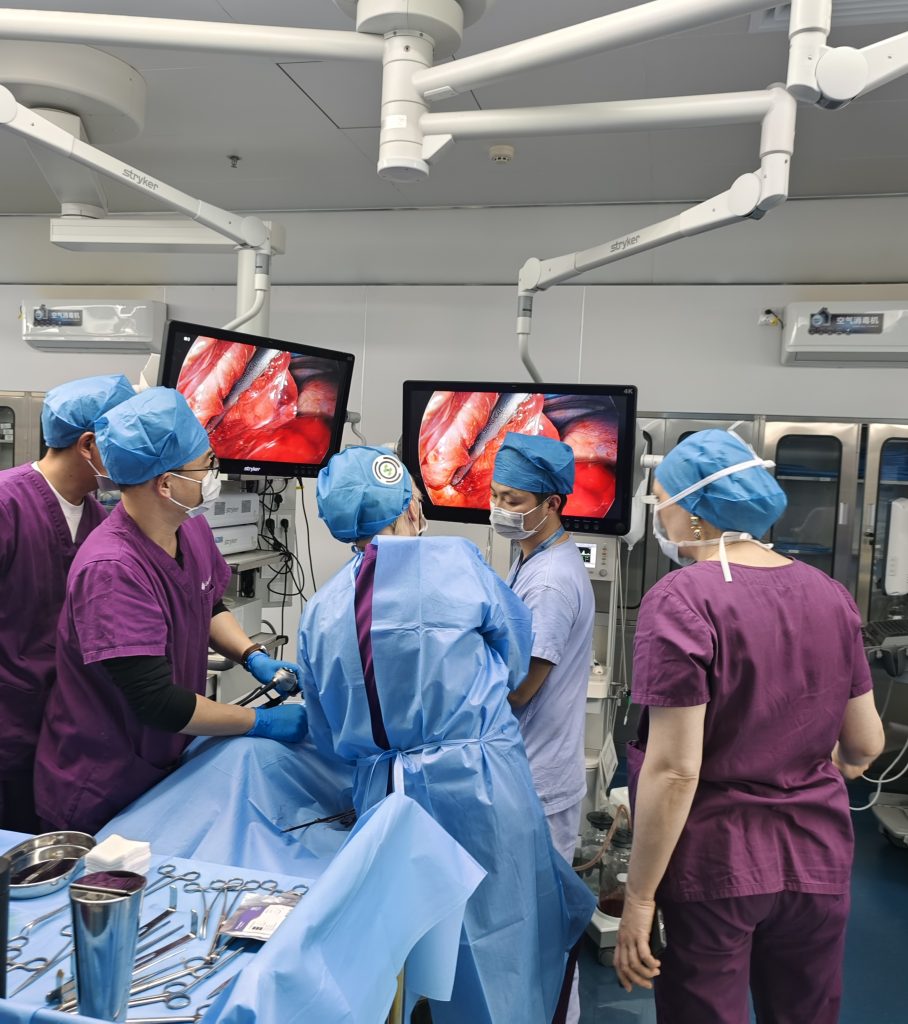
The Genesis Innovation Centre (GIC) provides a dedicated environment for healthcare professional education and hands-on surgical training. Its facilities include surgical and interventional training laboratories that can support different forms of practical education.
Programmes may also incorporate hospital-based observerships, allowing participants to observe real procedures and see how techniques and technologies are applied in clinical practice.
This allows participants to move between discussion, practical training and observation according to the objectives of the programme.
Learn more about trainings at Genesis Innovation Centre
Extending Surgical Education Through Global Masterclasses
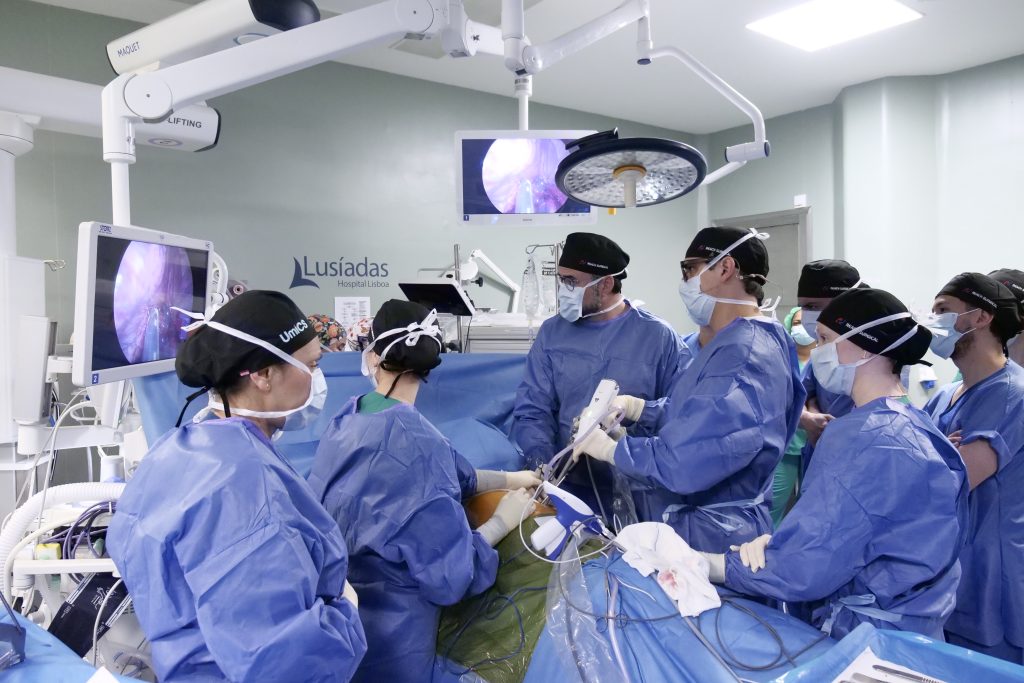
Beyond GIC, Genesis MedTech supports surgical masterclasses in different markets.
The format varies according to the specialty, procedure, technology and learning objectives. Programmes may include faculty-led teaching, case discussions, surgical video review, hands-on laboratory sessions, procedural demonstrations or observerships.
This allows surgical education to be delivered in different settings while adapting the programme to the subject being taught and the needs of participating surgeons.
Supporting Surgeon Development Through Continued Learning
Surgeon development continues throughout a clinical career.
Masterclasses, clinical observerships, cadaveric training, animal laboratory training, wet-lab training, case-based learning and surgical video review each address different educational needs.
No single format is appropriate for every surgeon, procedure or technology. The most relevant approach depends on the learning objective, the experience of the participants and the clinical area being covered.
As surgical practice continues to evolve, structured educational opportunities can provide surgeons with ways to observe, discuss and practise relevant techniques throughout their careers.
Explore Surgical Training Programmes
This article is intended for general educational purposes and does not replace individual medical advice, diagnosis or treatment from a qualified healthcare professional.